Which pans for induction: stainless steel, cast iron, carbon steel or non-stick?
On induction any pan with a magnetic base works. The real choice is the material: how stainless steel, cast iron, carbon steel or non-stick fit the way you cook.
Popular picks from this guide
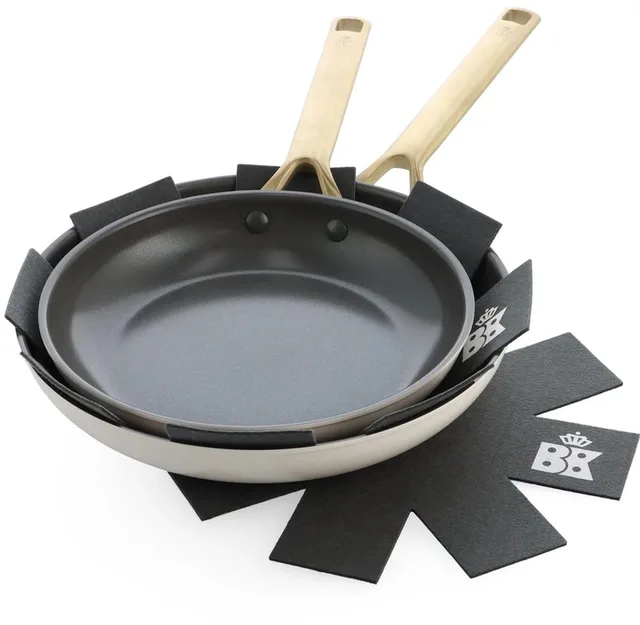
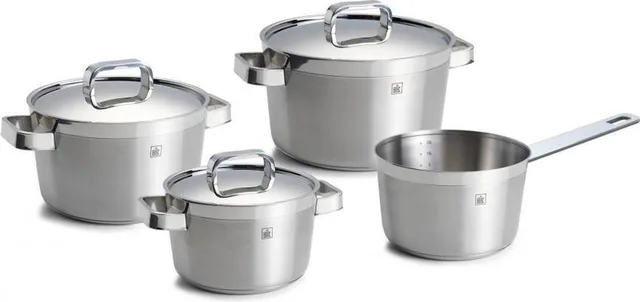
Popular products at today's lowest price. Compare every shop on the product page.
Short answer: On induction any pan with a magnetic base works, so the real question is which material suits the way you cook. Multi-layer stainless steel is the all-rounder that lasts, cast iron holds heat for stews and roasts, carbon steel is light and gets better with use, and a non-stick pan is the easiest for eggs and fish. Many kitchens combine a stainless steel set with one or two non-stick frying pans.
People who switch to induction often buy new pans. That is the moment to pick the material that suits you. Here is what each material does, with examples from our pots and pan sets and frying pans and woks. Cucetta does not test pans itself: the details come from the manufacturers and the product names. To check whether a pan you already own works on induction, hold a magnet to it: if it sticks to the base, the base is magnetic. Does my pan work on induction? takes you through that check step by step.
Multi-layer stainless steel: the all-rounder
Stainless steel on its own does not conduct heat very well. That is why a good stainless steel pan has a layer of aluminium or copper sandwiched between layers of steel. There are two ways:
- Only in the base (encapsulated base): the heat sits mostly at the bottom. That is fine for pots for water, potatoes and soup. The manufacturer's description tells you how a pan is built.
- Through the whole pan (fully clad): the layers run up into the rim, so the sides heat too. Demeyere, for example, calls the Demeyere Industry 5 frying pan 5-ply stainless steel.
Uncoated stainless steel lasts a long time and copes with metal utensils. Many stainless steel pans can go in the oven too: BK calls the BK Profiline pan set oven safe up to 230 °C. Do check the handles and the lid. Food can stick if the pan is not hot enough yet, so an uncoated stainless frying pan, like the Beka Maestro frying pan set, takes some practice.
Stainless steel pans for induction
- Beka
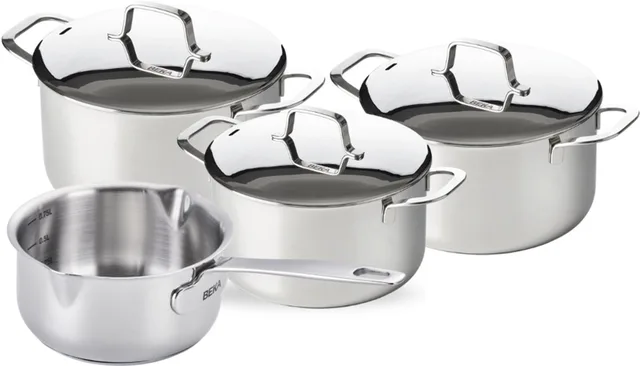
Pannenset Maestro 4-Delig
Kookpannen & Steelpan, Pan Set€299.98 · at 1 shop
- BK
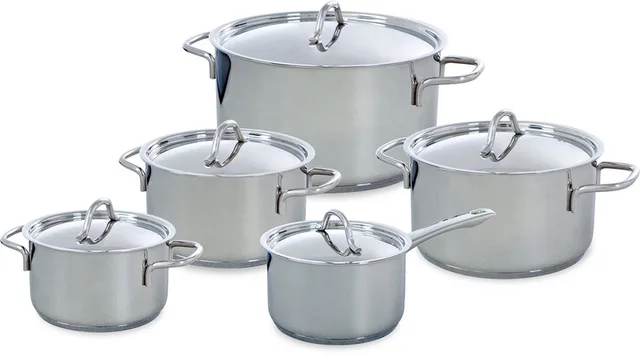
Profiline Pannenset 5-delig
16/18/20/24cm · 1.6/2.5/3.5/6LFrom €127 · at 2 shops
Lowest in 27 days
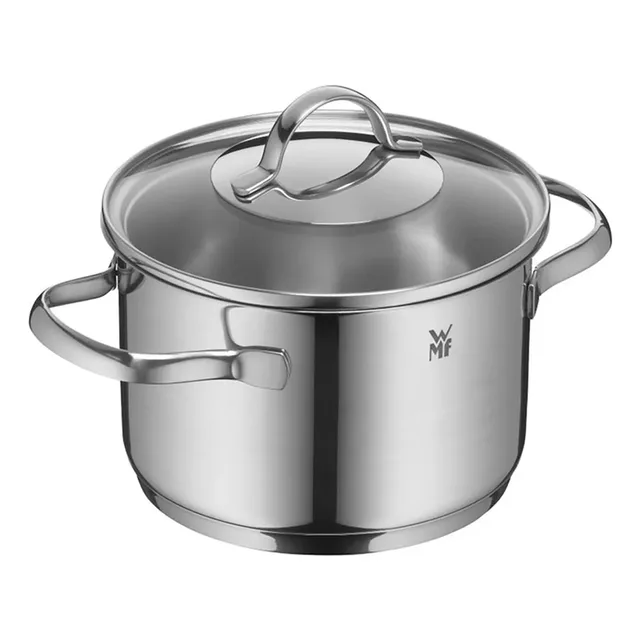
- WMF
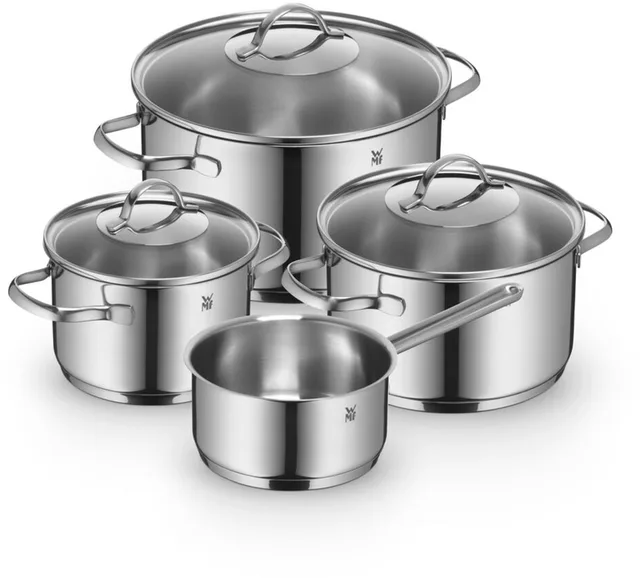
Provence Plus
Pannenset · 4-delig · RVSFrom €159.99 · at 2 shops
Lowest in 27 days
- Demeyere
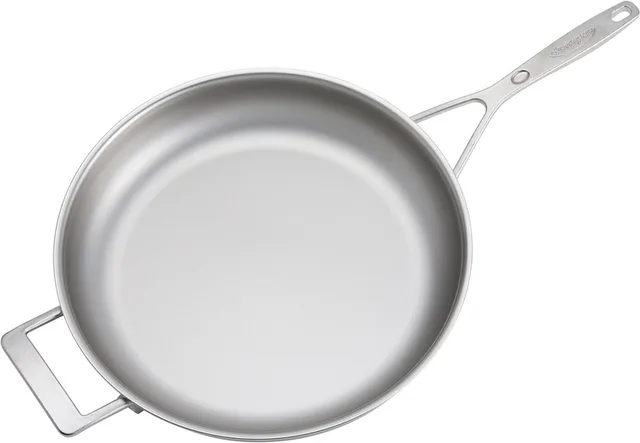
Industry 5 frying pan
From €205 · at 2 shops
- Beka
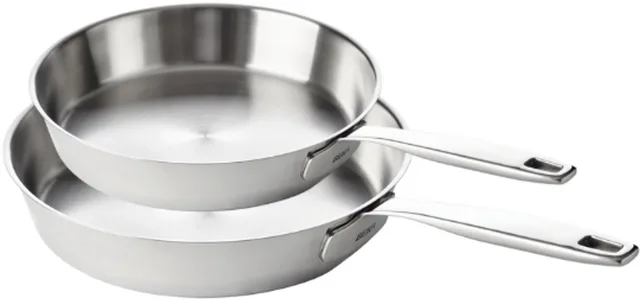
Koekenpannenset Maestro 2-Delig
Koekenpan Zonder Anti-aanbaklaag€139.99 · at 1 shop
Cast iron: for stews and roasts
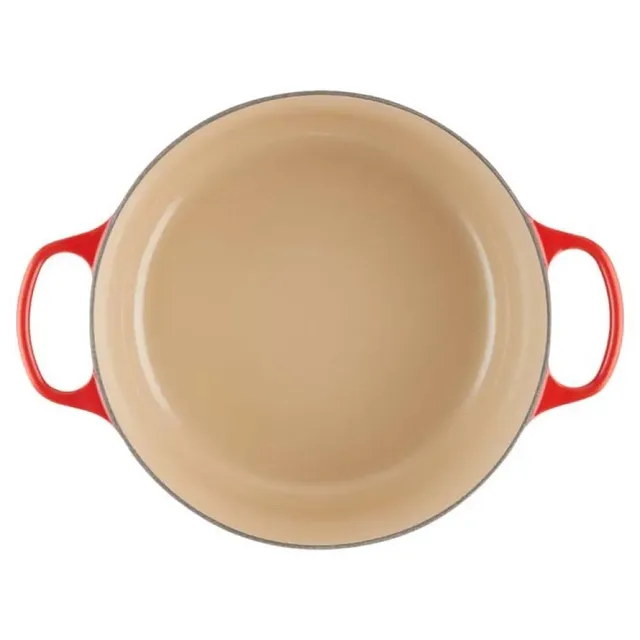
Cast iron is magnetic, so it works on induction by nature. It heats slowly but holds the heat for a long time. That makes it suited to stews, soup, bread and dishes that spend a long time in the oven. An enamelled cast iron casserole, like the Le Creuset Signature casserole of 22 cm or the BK Bourgogne of 28 cm, needs no seasoning: Le Creuset's care instructions only ask you to wash it in warm, soapy water and dry it before first use.
Cast iron is heavy. Le Creuset advises lifting the pan on a glass or induction hob instead of sliding it, and cooking on a low to medium setting, because cast iron holds heat so well. A smaller casserole, like the BK Bourgogne of 20 cm, is handier if you cook for one or two. See more under casseroles and stew pots.
Cast iron casseroles
- Le Creuset
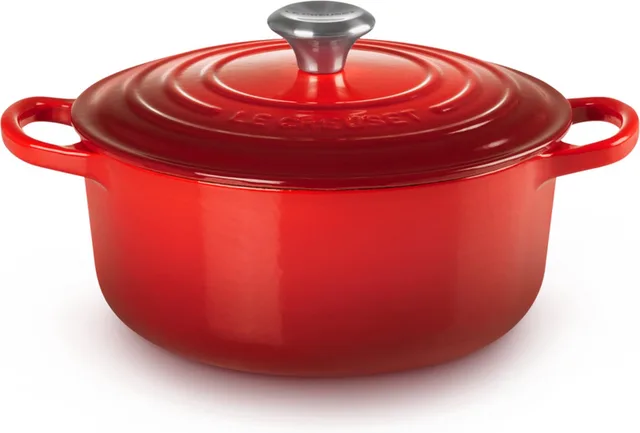
Braadpan Signature
Ø 22 cm / 3,3 LiterFrom €200.19 · at 3 shops
Lowest in 26 days
- BK
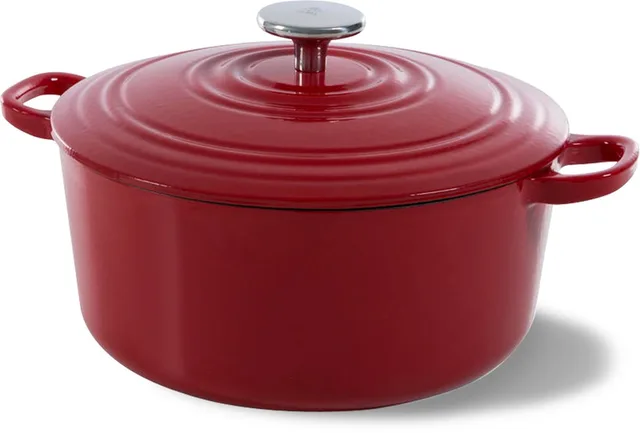
Bourgogne Braadpan Gietijzer 28cm/6.7l
inductie braadpan · gietijzeren braadpanFrom €84.99 · at 2 shops
- BK
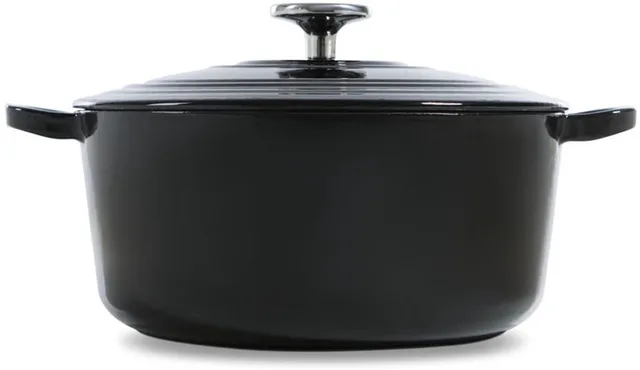
Bourgogne cast iron casserole 20cm/2.5l, induction, oven safe up to 230 degrees, lid
From €57.39 · at 2 shops
Carbon steel: light and uncoated
Carbon steel is magnetic too. It is lighter than cast iron and heats up quickly, as in a wok. It has no coating. The de Buyer Mineral B is carbon steel without a non-stick coating. Like raw cast iron, such a pan is seasoned: you heat a thin layer of oil in it, and that layer builds up as you cook. That gives the pan a natural non-stick layer. Do not leave the pan to soak for long, so the layer stays.
Carbon steel suits frying at high heat, like steak, potatoes and stir fries. Other examples are the Hendi carbon steel frying pan of 20 cm and the one of 30 cm, which Hendi calls suitable for induction and the oven.
Non-stick and ceramic
A non-stick frying pan is the easiest for eggs, pancakes and fish. For induction such a pan usually has an aluminium body with a magnetic plate in the base. So check on the packaging that the manufacturer calls the pan suitable for induction.
A number of brands use a ceramic coating and call it PFAS free, like the GreenPan Reserve, the BK Blue Label Induction and the GreenPan Padova pan set. Tefal also has pans with a titanium coating, like the Tefal Generous Cook. WMF makes its own material called Fusiontec: according to WMF natural minerals fused onto a steel core, as in the WMF Fusiontec Mineral Pro pan set. WMF calls it scratch resistant.
A non-stick coating wears over time. Follow the brand's care instructions: most manufacturers recommend a low to medium setting and utensils of wood or silicone. Induction heats up fast, so start lower than you are used to on gas.
Carbon steel and non-stick
- de Buyer
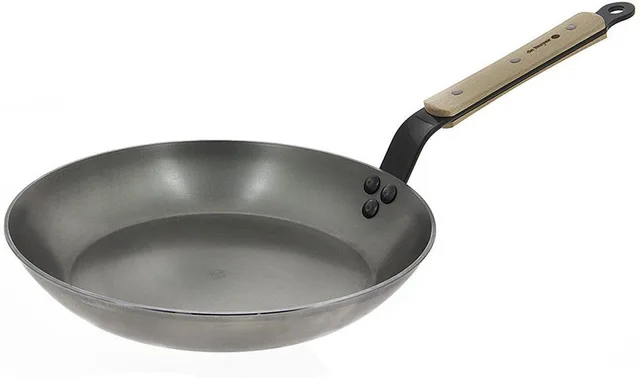
Koekenpan Mineral B Hout
Koolstofstaal Zonder Anti-Aanbaklaag€76.95 · at 1 shop
- Hendi
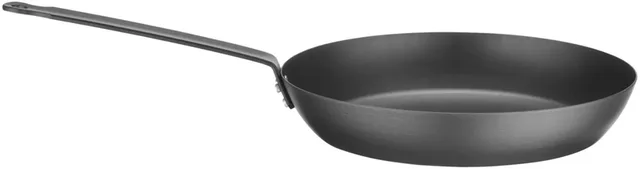
Koekenpan
Carbon Staal · Ø204 mm€24.22 · at 1 shop
- GreenPan
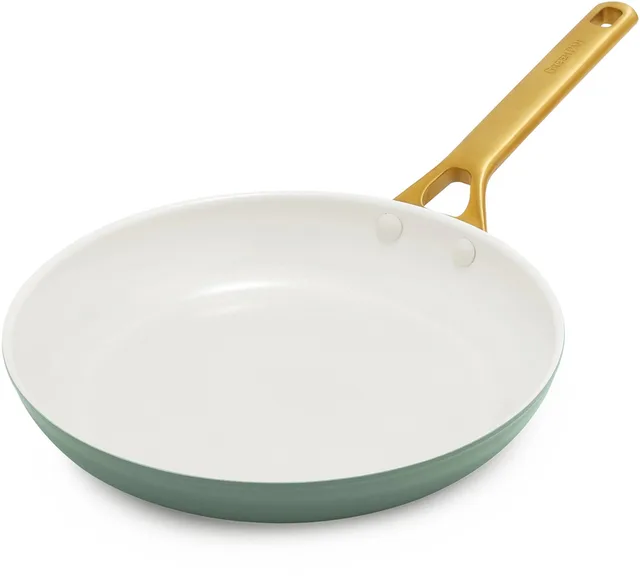
Reserve Koekenpan
24cm · PFAS-vrije antiaanbaklaag€64.90 · at 1 shop
Lowest in 26 days
- BK
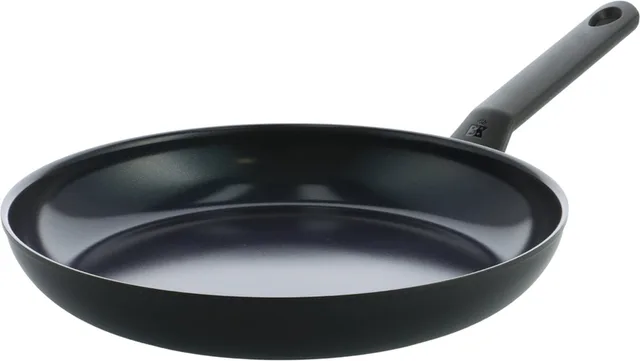
Blue Label Induction Koekenpan
24cm · PFAS-vrije antikleeflaag€39.99 · at 1 shop
- GreenPan
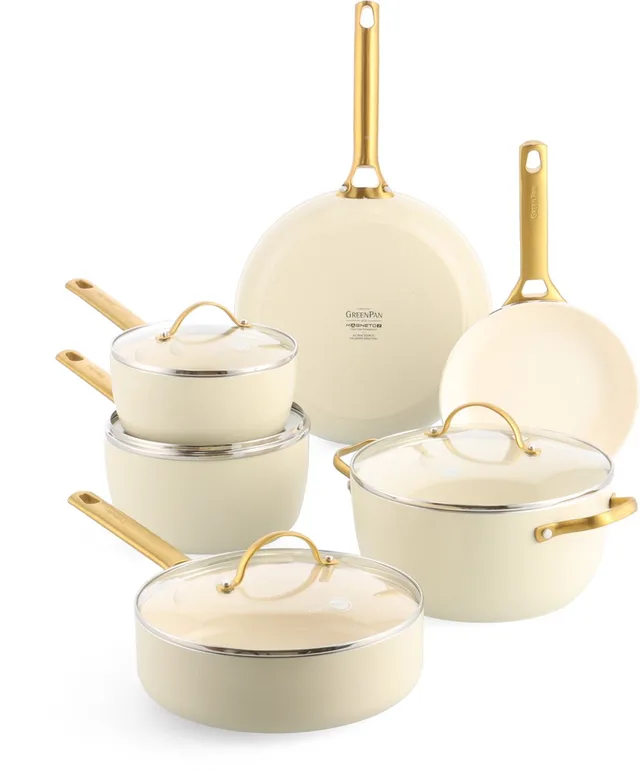
Padova Keramische Inductie Pannenset 10-delig
PFAS-vrij · Inductie pannensetFrom €225 · at 2 shops
- Tefal
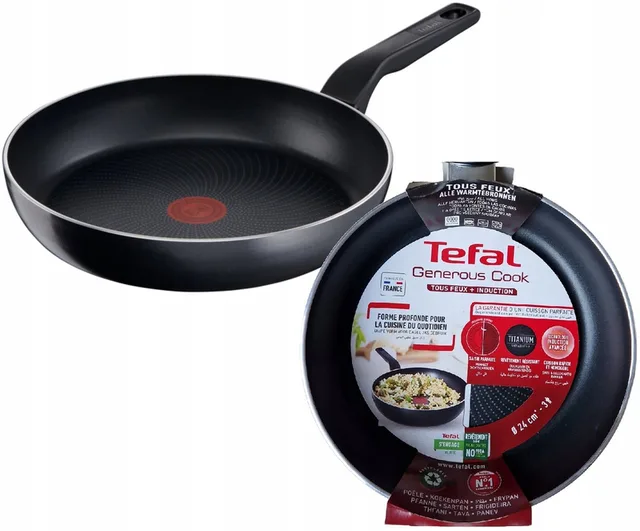
Generous Cook frying pan 24 cm, titanium, suitable for induction and oven
€89.99 · at 1 shop
Lowest in 27 days
Copper
Copper conducts heat very well but is not magnetic itself. Copper pans only work on induction if the manufacturer has added a magnetic layer. De Buyer calls the Prima Matera casserole in copper and stainless steel suitable for induction. So with copper, always look for the induction symbol.
A set or separate pans
A pan set gives you a range of pots in the same style in one go. Do check that the sizes match your cooking zones and what you cook, and whether a frying pan is included. Often a stainless steel set plus one or two separate frying pans in the material that suits you works out well. See our pan sets too.
Frequently asked questions
Which materials work on induction?
Anything with a magnetic base: cast iron, carbon steel and stainless steel with a magnetic base. Aluminium and copper only work with a magnetic plate in the base. The induction symbol on the pan or packaging gives certainty.
Is stainless steel or non-stick better for induction?
They complement each other. Stainless steel lasts and suits boiling, braising and the oven. A non-stick pan is easier for eggs and fish, but the coating wears over time.
Can I use a cast iron pan on induction?
Yes, cast iron is magnetic. Le Creuset advises lifting the pan instead of sliding it and cooking on a low to medium setting.
What does PFAS free mean on a pan?
That the manufacturer says there is no PFAS in the non-stick coating. Many ceramic coatings are sold that way. Check the manufacturer's care advice, because a ceramic coating wears too.
Keep looking
Cucetta doesn’t test products itself. This guide sets out what manufacturers state.
Products from this guide
Popular products with a current price at the shops. Compare the prices on the product page.
- GreenPan
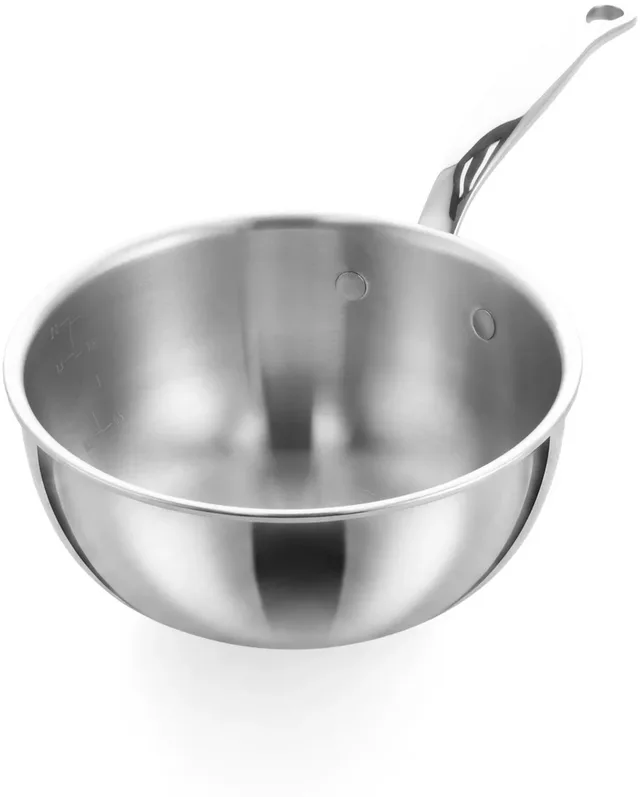
Premiere 5-ply sauteuse
20cm 2.3L RVS€107.99 · at 1 shop
Lowest in 14 days
- Demeyere
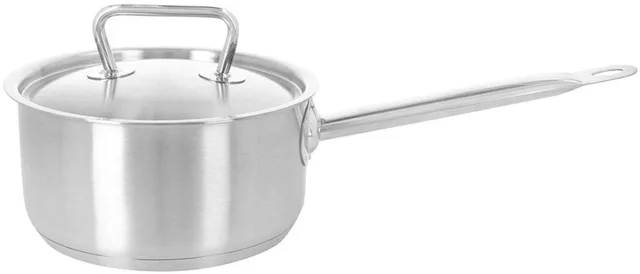
Classic Pro 3 Steelpan
met Deksel · 14 cmFrom €44.09 · at 2 shops
- GreenPan
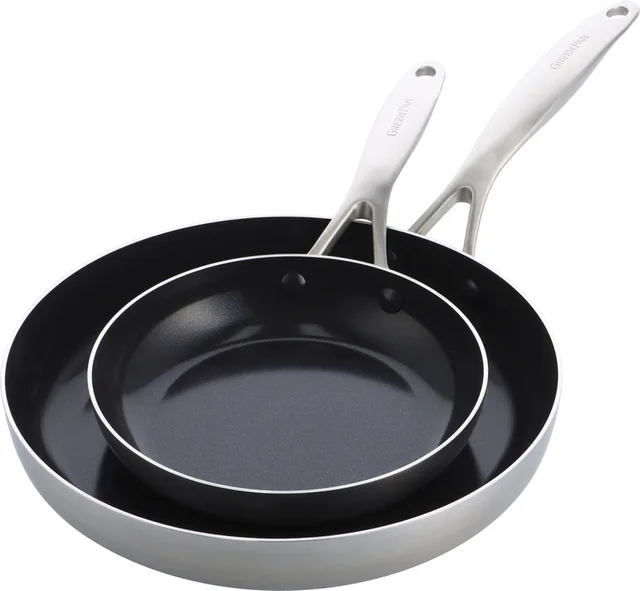
Geneva Koekenpannenset
20cm & 28cm · Tri-ply · PFAS-vrij€101.48 · at 1 shop
- Le Creuset
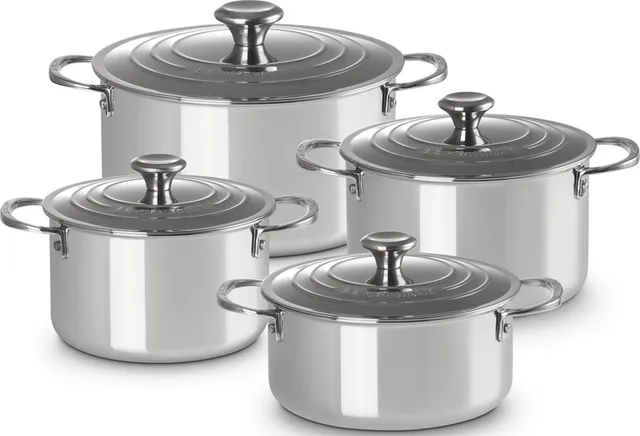
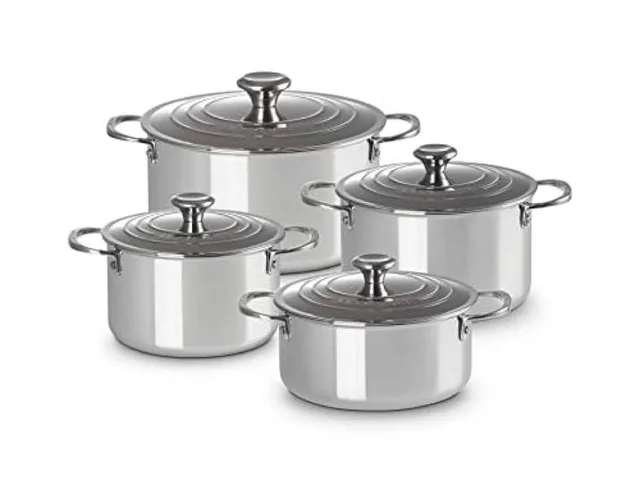
Signature Pannenset
Kookpannen met deksel · 4-deligFrom €519.95 · at 1 shop
- GreenPan
Reserve Koekenpan
24cm · PFAS-vrije antiaanbaklaag€64.90 · at 1 shop
Lowest in 26 days
More buying guides
- Choosing a cutlery set: 18/10, 18/0 and pieces Stainless steel, number of pieces, knives and finish: how to choose a cutlery set that suits you. Read the guide
- Which Instant Pot or multicooker should you choose? From Classic Mini to Duo Crisp: how to choose the Instant Pot or multicooker that fits your household. Read the guide
- Choosing an air fryer: one or two drawers, how many litres and which shape How many litres do you need and do you want one drawer or two? How to choose an air fryer that fits your household and your counter. Read the guide